
From April 13-18, 2015, Amsterdam Denim Days took over the Netherlands capital. The event featured Kingpins, the B2B denim sourcing show organized by USFIA member Olah Inc., as well as consumer events, industry brainstorming sessions, and, of course, shopping. During Kingpins 2029: The Transformers, we got to hear from over a dozen innovators who are changing the way we manufacture denim products for the better, one step in the supply chain at a time.
Amsterdam Denim Days kicked off with the Kingpins Show, an international denim sourcing show founded in 2004 by Olah Inc., a textile agent and consultant and one of the foremost denim experts in the world. Today, the Kingpins Show—named such because it brings together industry leaders across the supply chain—takes place in New York, Hong Kong, and Amsterdam, which has a booming, innovative denim industry. Bringing together some of the most pioneering manufacturers with the coolest brands from high street to the high-fashion runways, Kingpins is the place to be to learn about denim or find the Next Big Thing.
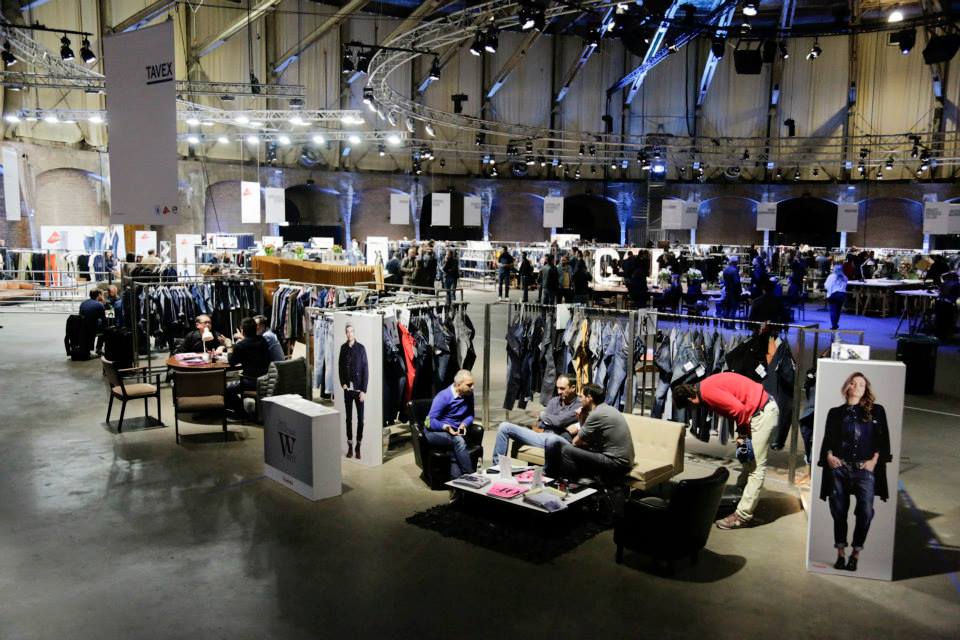
The Kingpins Show (via www.facebook.com/thekingpinsshow)
On April 17th, Kingpins launched an unprecedented program to discuss how to transform the denim industry to be more sustainable. Kingpins 2029: The Transformers brought together 20 individuals with transformative ideas about how to make denim “more environmentally viable, socially responsible, and financially sound by 2029,” starting with a discussion on how to reduce water in denim manufacturing.
"Our concept is that jeans industry must undergo a sea change if we want to be around in 2029,” said Andrew Olah, founder of Kingpins and The Transformers. “The Transformers are those along the supply chain that recognize that we must evolve and invent new and better ways to do everything from making dye stuffs to making fibers, weaving fabrics to laundering and finishing and everything in between."
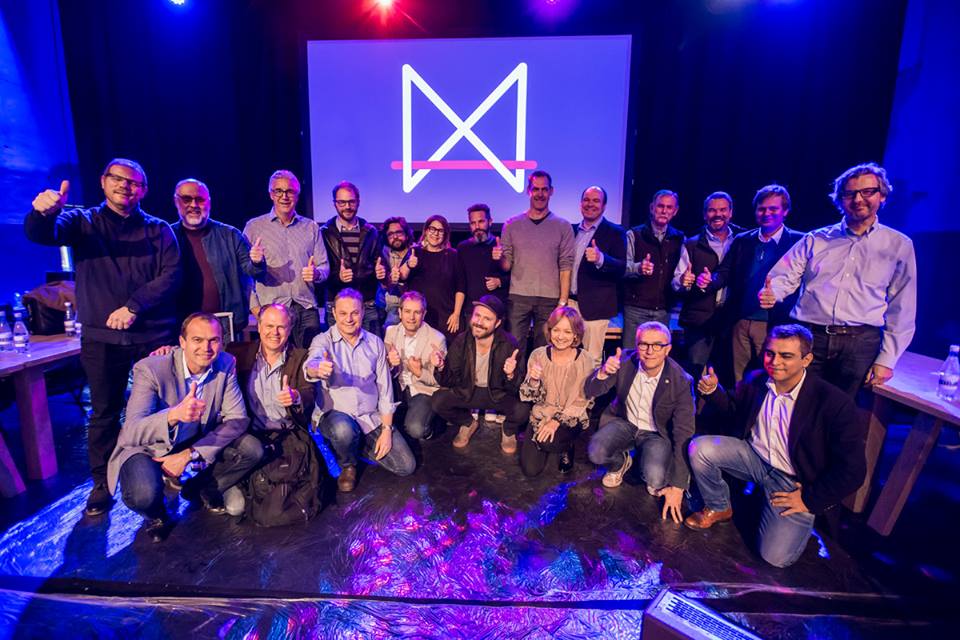
All of the Transformers after a successful day talking water use in denim! (via www.facebook.com/thekingpinsshow)
With the average pair of jeans requiring 7,000 liters of water to produce—before the consumer ever washes it!—it’s imperative to find ways to reduce the water in the process. Every step in the supply chain, from the field to the factory, has a part to play in helping to reduce the water footprint of denim. As Alberto De Conti, who manages marketing for Garmon Chemicals, explained in his opening presentation, environmental sustainability is no longer optional—it’s the “single biggest issue to affect businesses in the next 5-10 years.” It also makes good business sense, because it makes companies innovate and makes customers loyal.
But what is a water footprint? De Conti explained it’s the total volume of fresh water required to produce the goods or services by the company. This includes the blue water footprint (surface and underground water), green water footprint (rainwater), and gray water footprint (fresh water required to dilute pollutants). One way to reduce the footprint is by reducing the chemicals you need to dilute. Garmon Chemicals has developed GreenScreen, an “open, transparent, and publicly accessible” tool for determining the chemical hazards in your products. GreenScreen allows you to assess your chemical and water footprint, and is especially useful for companies that have signed on to the Roadmap to Zero Discharge of Hazardous Chemicals (ZDHC) by 2020. (In fact, this is the tool ZDHC recommends.)
Reducing chemical hazards, and the water required to eliminate them, is one of the obvious ways to make products more sustainable. But we learned there are many other ways to reduce water consumption.
Rick Kellison, Project Director for the Texas Alliance for Water Conservation at Texas Tech University, explained how new technologies like drip irrigation, weather stations, underground moisture sensors, and smart phone apps are helping cotton farmers use less water from field to gin—with enhanced profitability.
Andreas Donner, Director of Value Chain for USFIA Member Lenzing Fibers, described new developments in cellulose fibers made from natural renewable resources—and soon, recycled content—that have a much lower impact on the environment.
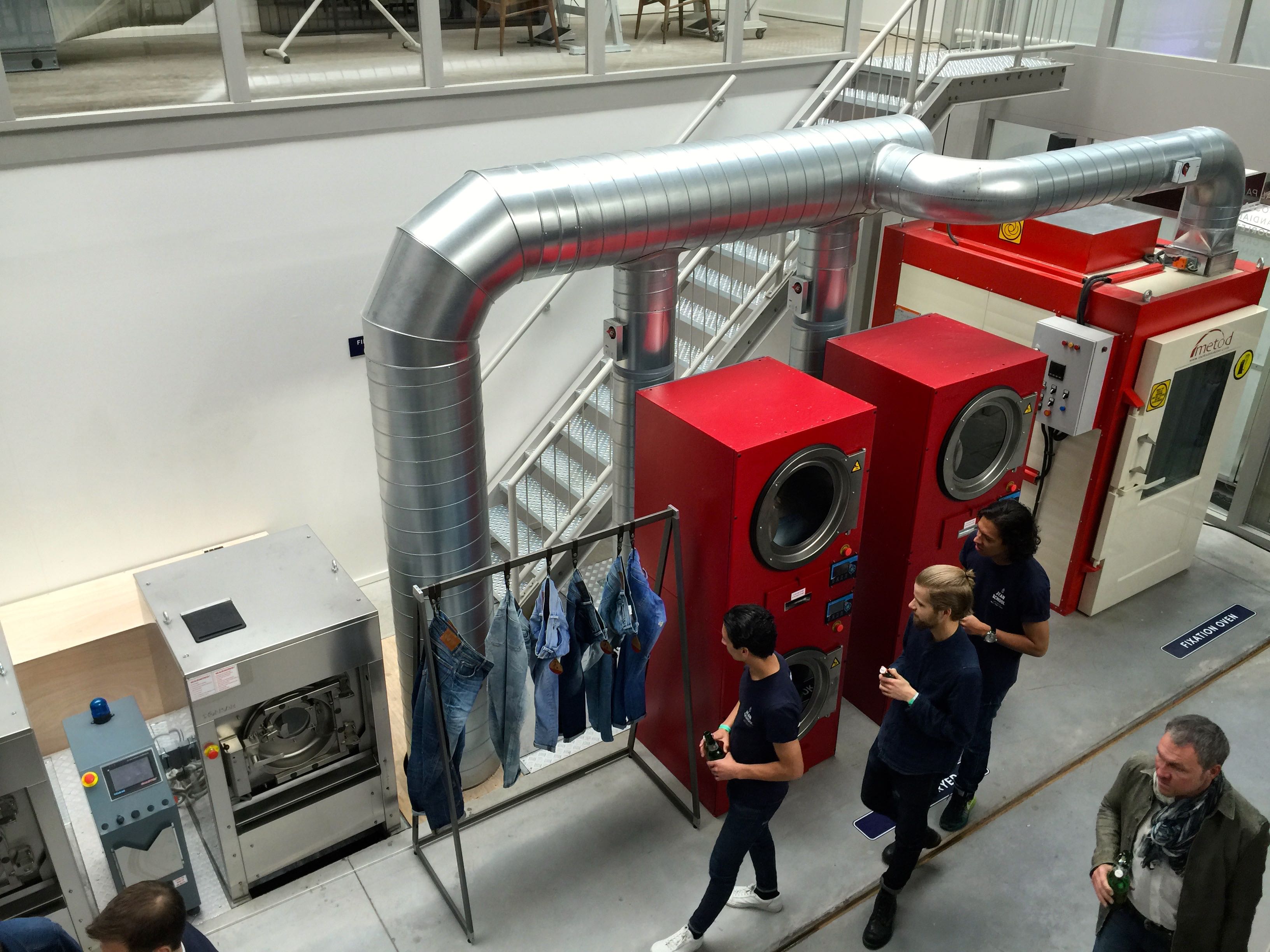
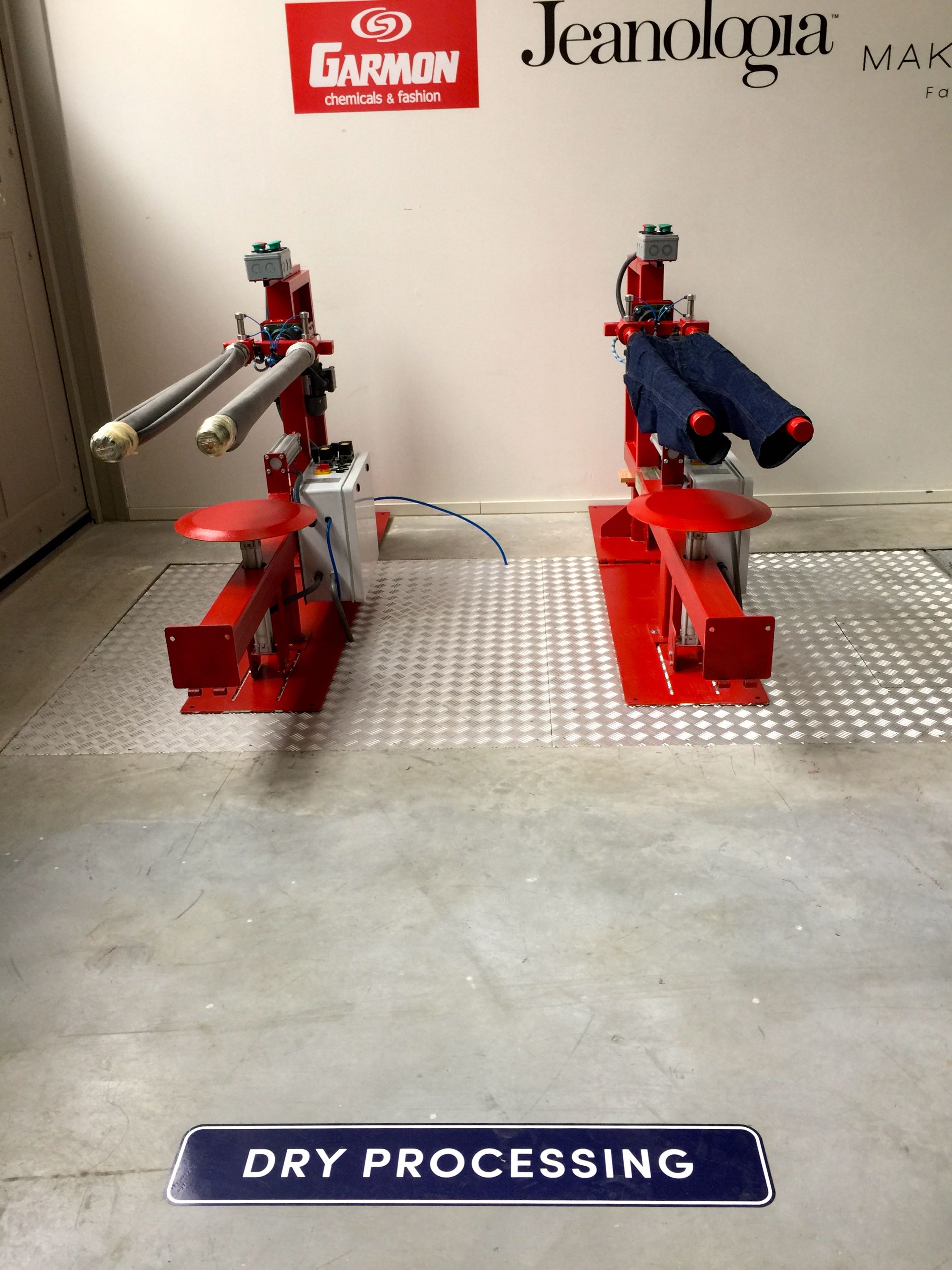
We got a look at some of the new sustainable washing technologies discussed by the Transformers. (Credit: USFIA)
The dying process sucks up a lot of water, but several Transformers discussed new innovations to transform this part of the process, too. Thorsten Huls, Head of Global Denim for DyStar, a producer of color, testing, and sustainability solutions for textiles, explained how simply switching from indigo powder to the DyStar Indigo VAT 40% Solution will reduce the total suspended solids in your water waste by 93 percent—and they are now looking at ways to completely eliminate the salt byproducts in the wash water, allowing it to be recycled. Miguel Sanchez, Global Head of Product Line Special Dyes for Archroma Advanced Denim, described how the company’s biodegradable, non-indigo dyestuff can help reduce water usage by 92 percent. In fact, some of their solutions don’t use any water at all.
With 3.5 billion denim garments produced each year and global demand growing, especially in emerging markets, concluded Sanchez, companies have no choice but to transform. More than 99 percent of water consumed in the world is used for industrial purposes—meaning less than 1 percent of water is available for drinking and agriculture.
He said it’s critical to pass the message on to consumers. It costs money to make and buy a pair of jeans, but there is also a huge environmental cost that consumers need to know about. It’s up to the industry to communicate this fact to consumers. In the closing remarks, Brent Crossland, Fiber Business Development Manager of e3 Cotton, Bayer CropScience’s sustainable cotton, agreed that brands must be ambassadors but said that “invention breeds opportunity” and companies should see sustainability as a chance to do something new.
We agree wiht Jean Hegedus, Global Segment Director of Denim & Wovens for Invista, who concluded that after the day, she’s feeling encouraged about the industry’s ability to truly work as a chain and transform.
The week wasn’t all work and no play. On the evening of April 16th, Kingpins joined with the House of Denim, an organization dedicated to making jeans “cleaner, dryer, and smarter” through research and education, to celebrate the launch of Denim City. Located in a former tram depot in a recently restored part of Amsterdam, Denim City includes an international jean school, a craftsman’s workshop, and an “embassy” to promote denim and provide opportunities for industry networking, as well as offices for Calvin Klein, Tommy Hilfiger, and Pepe Jeans London. Denim City will also be the home of several firsts: the only open-source sustainable denim lab in the industry, where brands can learn about the latest trends in dying and washing, as well as the first public denim archive in the world, with support from USFIA Member Levi Strauss & Co. The Mayor of Amsterdam Eberhard van der Laan was on hand for the launch, noting the importance of Denim City for creating jobs and educational opportunities for young people in the city as well as creating a more sustainable world for everyone.
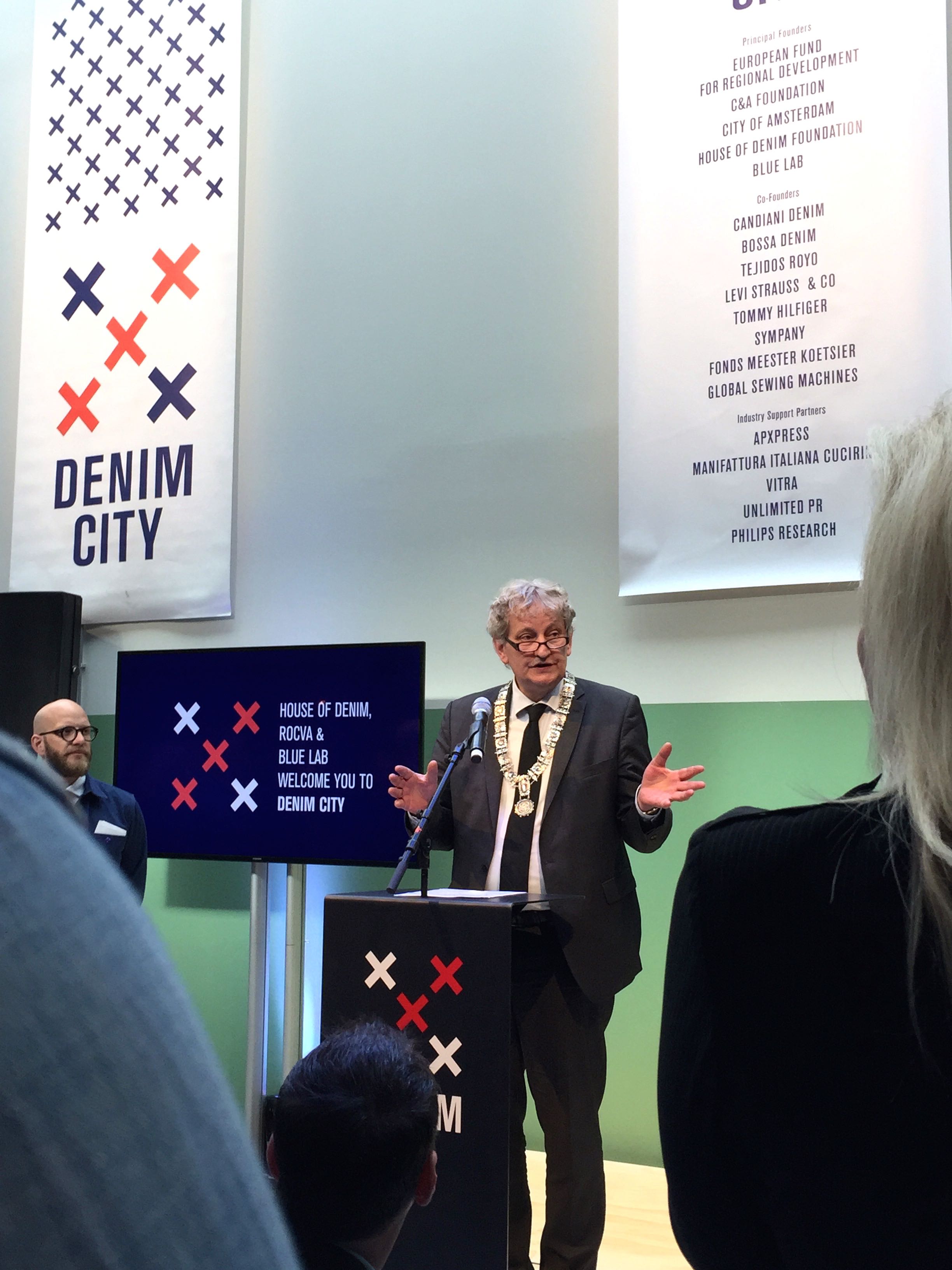
The Mayor of Amsterdam officially opens Denim City. (Credit: USFIA)
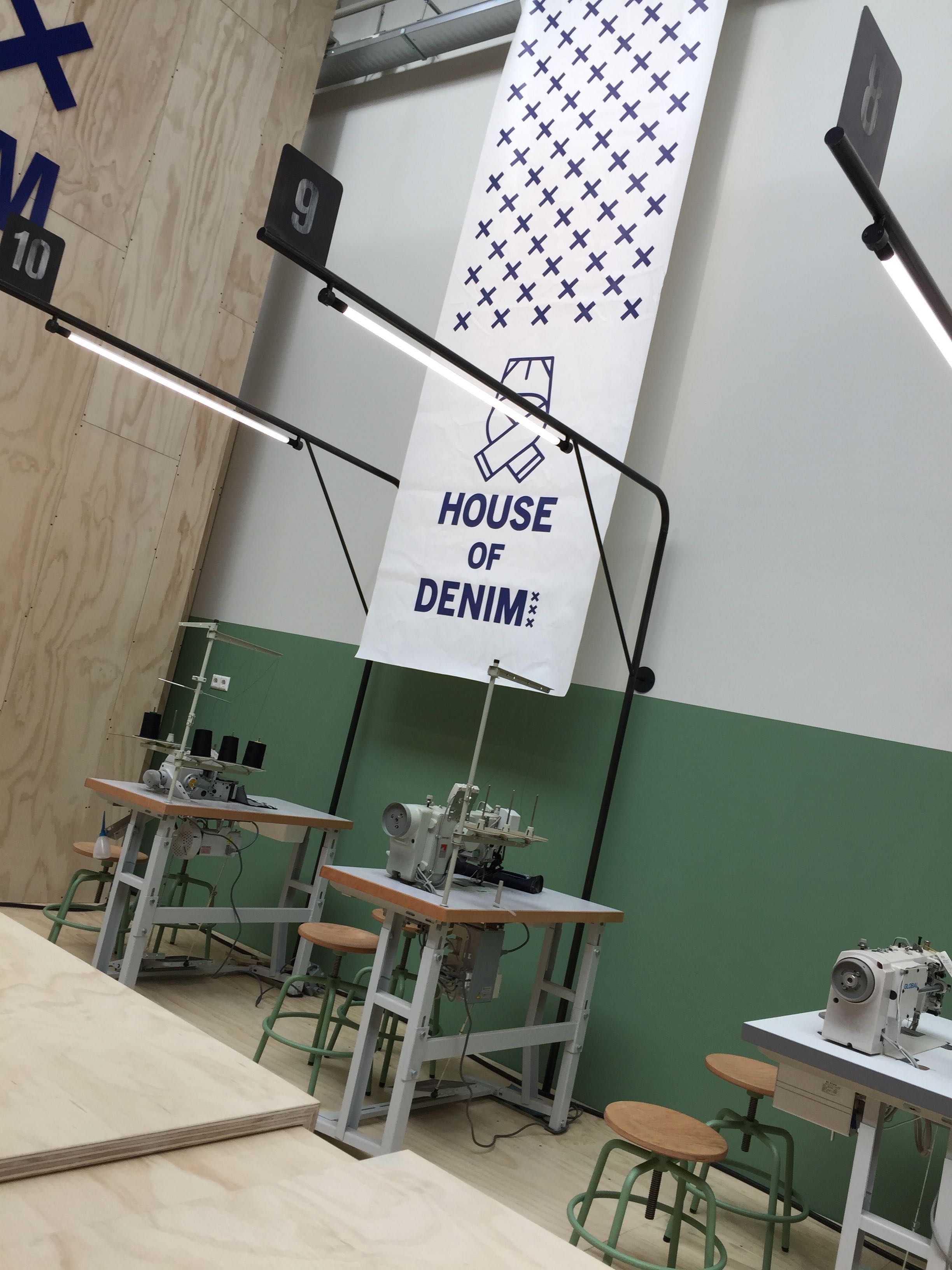
House of Denim's Denim City (Credit: USFIA)
For more information on Olah Inc. visit www.olah.com. For more information on the Kingpins Show, visit www.kingpinsshow.com. Visit www.facebook.com/textilesandapparel for more photos of the week.